RFID Tire Tag : Why Is It Becoming a Core Driving Force for Global Tire Intelligence?
With the global promotion of automotive safety regulations, the acceleration of intelligent transportation construction, and the in-depth implementation of tire label systems in various countries, the global tire industry is accelerating its transformation towards intelligence, traceability and greenization. Among them, RFID Tire Tag (Radio Frequency Identification Tire Tag) has quickly become a core supporting product for the intelligent upgrading of the tire industry, winning wide recognition from overseas tire manufacturers, auto OEMs, logistics enterprises and fleet operators with its excellent environmental adaptability, full-lifecycle traceability capability and professional performance. What is the core value of this product tailored for the tire industry? What unique advantages make it stand out in the fierce global market competition? Which fields does it cover? And what broad prospects will it have in the future? This article will decode the development trends of RFID Tire Tag for foreign trade practitioners and industry insiders, and sort out the core content into a Word-downloadable table for easy promotion, customer communication and market research.1. What is RFID Tire Tag?RFID Tire Tag is a professional intelligent identification product developed for the special working environment of tires, which integrates RFID chips, high-temperature resistant antennas and special packaging materials, and is specially designed to solve the pain points of traditional tire management such as difficult traceability, high manual cost, poor safety monitoring and easy counterfeiting. Different from ordinary RFID tags, it is fully optimized for the whole lifecycle of tires—from high-temperature vulcanization (180-200℃) in production to complex road conditions (friction, pressure, rain, ultraviolet radiation) in use, and then to recycling and disposal, which can maintain stable performance and realize non-contact data transmission and automatic identification.
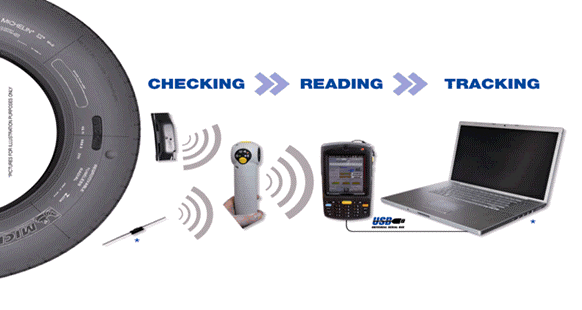
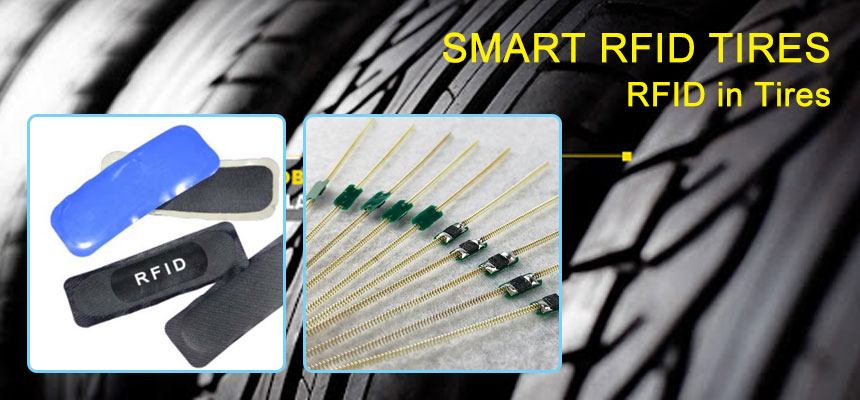
Its core principle is to write the unique ID code, production information, quality parameters and other data into the built-in chip through a writer, and realize real-time reading, writing and updating of data through an RFID reader. According to the latest industry data and international standards (ISO 20909, ISO 20910, etc.) by Chinese enterprises, the mainstream RFID Tire Tags on the market mainly support UHF and HF frequency bands, with a reading distance of 0.5-5 meters, which can adapt to batch and rapid inventory. The tag can withstand high temperature up to 200℃ (adapting to the tire vulcanization process) and low temperature down to -40℃ (adapting to extreme cold regions), and its service life is consistent with the service life of tires, up to 8-10 years. It is mainly divided into two types: embedded (implanted in the tire during the molding process, then fixed by vulcanization) and attached (pasted on the tire surface after production), which can meet the personalized needs of different overseas customers such as passenger car tire manufacturers, commercial vehicle tire enterprises and engineering machinery tire suppliers.
 2. Core Advantages: Why Can RFID Tire Tag Win Global Market Recognition?Against the background of the global tire industry's transformation towards intelligence, safety and greenization, RFID Tire Tag can stand out in the market and become a hot product in foreign trade, which is closely related to its irreplaceable professional advantages. It perfectly solves the pain points of traditional tire management (such as easy wear of barcodes, difficult manual statistics, inability to track full lifecycle and serious counterfeiting), and is highly in line with the high-standard requirements of overseas markets such as Europe, America and Southeast Asia, especially complying with the EU Digital Product Passport (DPP) requirements for tires. High-Temperature and Wear-Resistant, Adapt to Harsh Tire Environment: Adopting special high-temperature resistant materials (such as modified PI film and high-temperature resistant epoxy resin) and integrated packaging technology, it can withstand the high temperature of 180-200℃ during tire vulcanization without deformation or failure, and can resist friction, pressure, rain, ultraviolet radiation and chemical corrosion (such as tire cleaning agents) during tire use, ensuring stable data transmission in the whole lifecycle of tires. This advantage solves the problem that ordinary RFID tags are easy to damage in tire production and use processes, and has passed the relevant industry standard tests. Full-Lifecycle Traceability, Meeting Compliance Requirements: It can record all key information of tires, including production batch, raw material source, vulcanization parameters, delivery date, installation vehicle, use mileage, maintenance records and recycling status, realizing "one tire, one code" full-lifecycle traceability. It fully meets the requirements of international tire traceability regulations (such as EU tire labeling regulations) and the tire label system promoted by various countries, helps overseas customers avoid regulatory risks, improve product credibility, and also provides effective data support for tire recall and quality improvement, which is in line with the policy guidance of global tire industry digital transformation. Anti-Interference and High Recognition Rate, Improving Management Efficiency: Optimized for the metal environment of tire steel wires, it has strong anti-metal interference ability, and the recognition rate can reach 99.9% even in complex environments such as warehouses, workshops and construction sites. It supports batch reading (up to 50 tags at a time), which can replace manual statistics, reduce labor costs by 60% and inventory error rate by 98%, and greatly improve the efficiency of tire production, warehousing, logistics and after-sales management. For example, in the warehouse management of tire enterprises, it can realize automated inbound, outbound and inventory, avoiding inventory backlog and shortage. Customizable and Versatile, Adapting to Multiple Tire Types: According to the needs of overseas customers, it can be customized in terms of size, frequency band, chip model and installation method. It is suitable for all types of tires, including passenger car tires, commercial vehicle tires (trucks, buses), engineering machinery tires and new energy vehicle tires. It can also be integrated with temperature and pressure sensing functions, combined with TPMS to realize real-time monitoring of tire working status, helping to reduce safety accidents caused by tire faults such as puncture and blowout. Anti-Counterfeiting and Anti-Channeling, Protecting Brand Interests: Each RFID Tire Tag has a unique and uncopyable ID code, which can effectively prevent counterfeit tires from entering the market, protect the brand reputation of overseas tire manufacturers, and at the same time record sales channel information to prevent dealers from "channeling goods", helping enterprises standardize the market order and reduce economic losses. Cost-Effective and Easy to Promote, Suitable for Mass Application: With the maturity of mass production technology and the popularization of industry standards, the production cost of RFID Tire Tag has been reduced by about 35% in recent years. The unit price for high-volume orders can be as low as $0.08-$0.15, which is suitable for mass application in large-scale tire production and fleet management. At present, international tire giants such as Michelin, Hanwha, and domestic giants such as Zhongce Rubber, Zhengxin Tire and Linglong Tire have widely applied RFID Tire Tag in their products, driving the global market demand to grow rapidly. 3. Main Application Fields: Covering Multiple High-Growth Segments of the Tire IndustryBenefiting from its unique advantages, RFID Tire Tag has been widely used in the whole industrial chain of the tire industry, especially in high-growth segments such as tire production, automotive matching, logistics and transportation, fleet management and tire recycling, which have become the main export markets for foreign trade practitioners. The specific application scenarios are as follows:
3.1 Tire Production & Quality Control (Core Application Scenario)In the tire production process, RFID Tire Tag is embedded in the tire blank during the molding stage, and after vulcanization, it is permanently fixed in the tire, realizing real-time tracking of each production link. It can record vulcanization temperature, time, pressure and other parameters, help enterprises monitor production quality, reduce defective products, and realize traceability of raw materials (such as rubber, steel wire) and production processes. At the same time, it can quickly count the output of each production line, optimize production scheduling, and improve production efficiency. At present, domestic enterprises such as General Co., Ltd. have successfully developed embedded high-performance RFID tires, which have reached the leading level in China. 3.2 Automotive OEM Matching (Fastest-Growing Segment)With the upgrading of automotive intelligence, more and more auto OEMs (such as Tesla, Toyota, Volkswagen) have begun to match RFID Tire Tags for new cars, especially new energy vehicles. The tag is bound with the vehicle VIN code, which can realize the matching verification of tires and vehicles, prevent wrong installation, and at the same time record the tire use status (mileage, temperature, pressure) in real time, providing data support for vehicle maintenance and safety early warning. It is reported that Michelin plans to equip all its automotive tires with RFID tags, and cooperate with auto manufacturers to develop related algorithms to promote vehicle interconnection.3.3 Logistics & Warehousing ManagementIn the tire logistics and warehousing link, RFID Tire Tag can realize automated inbound, outbound, inventory and sorting of tires. Overseas tire dealers and logistics enterprises can use RFID readers to quickly read the information of a batch of tires, improve the efficiency of warehouse management, reduce manual errors, and realize real-time tracking of tire transportation status, avoiding loss and damage during transportation. For example, Qingdao Bus Group has built an intelligent tire management system with tire manufacturers, using RFID tags to realize efficient management of tire warehousing and distribution.3.4 Fleet & After-Sales ManagementFor commercial vehicle fleets (trucks, buses, logistics fleets) and engineering machinery fleets, RFID Tire Tag can track the use status of each tire, including mileage, wear degree, maintenance records, etc., help fleet managers formulate scientific tire replacement and maintenance plans, reduce fleet operation costs, and improve driving safety. In the after-sales link, it can quickly query the tire production and sales information, provide accurate data support for after-sales claims, and effectively prevent claims for counterfeit and refurbished tires, reducing enterprise losses.3.5 Tire Recycling & Green Environmental ProtectionWith the global emphasis on environmental protection, RFID Tire Tag can record the tire material information and use history, helping recycling enterprises classify and recycle tires, improve recycling efficiency, and realize the green cycle of tires. It also meets the requirements of global environmental protection policies, and has broad application prospects in the European and American markets that pay attention to green development. At the end of the tire's service life, the technology can also be used to improve the recovery rate and provide recovery certification.